The International Day of Women and Girls in Science highlights the importance of ensuring equal opportunities and full participation of women and girls in scientific research, innovation, and technological development.
This year’s theme, “Synergizing AI, Social Science, STEM and Finance: Building Inclusive Futures for Women and Girls,” closely reflects the vision of COST Action CA24167 – HUMAN-IT (Disruptive Innovation and Exponential HRM: Crafting Next-Gen Employee Experience, Workplace, and Job Market).
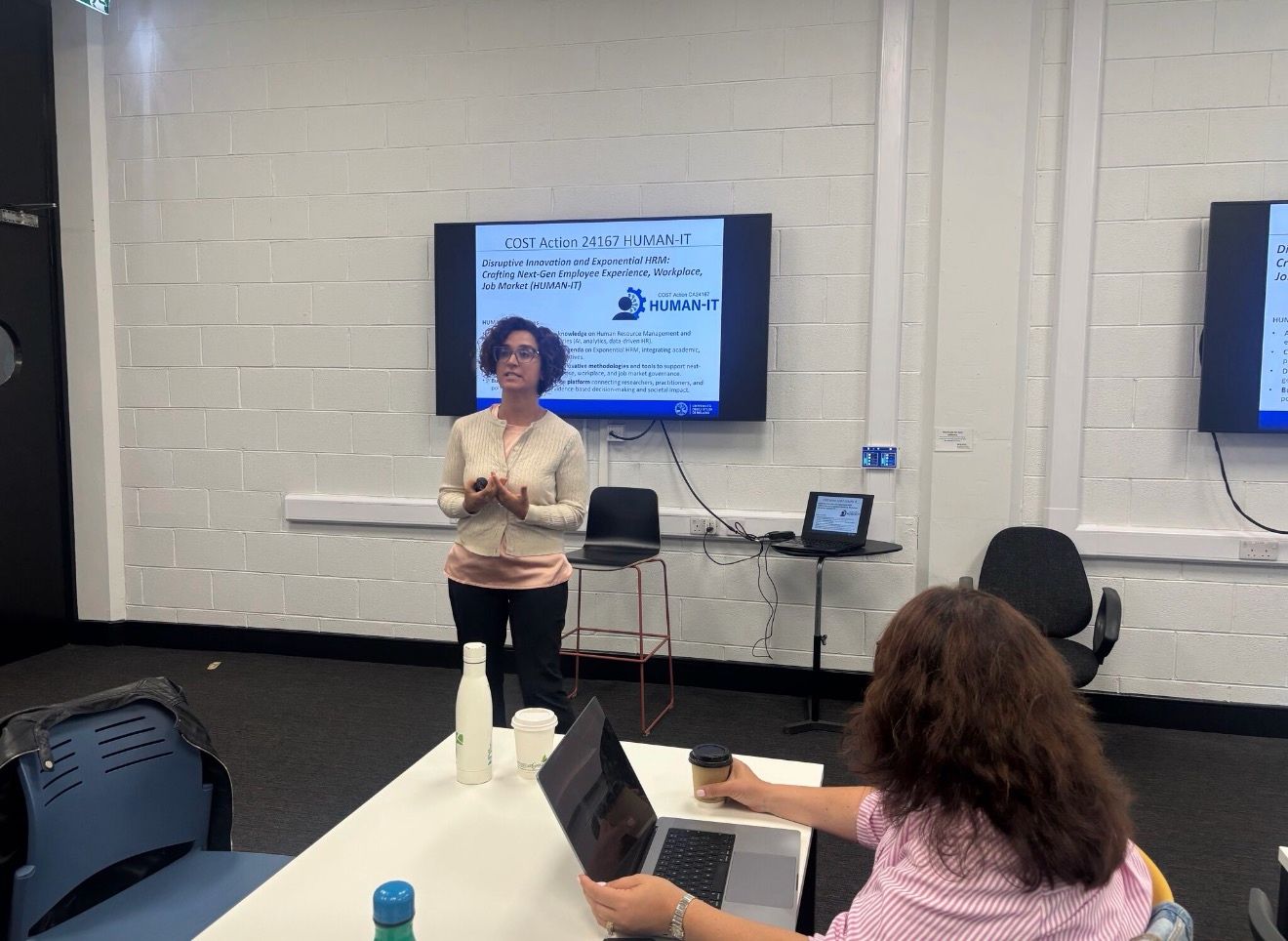
HUMAN-IT brings together researchers and practitioners from diverse disciplines to explore how artificial intelligence, exponential technologies, and human-centred approaches are transforming workplaces, employee experiences, and labour markets. By fostering interdisciplinary collaboration across the social sciences, engineering, management, law, and digital innovation, the Action contributes to evidence-based research that supports inclusive, responsible, and sustainable digital transformation.
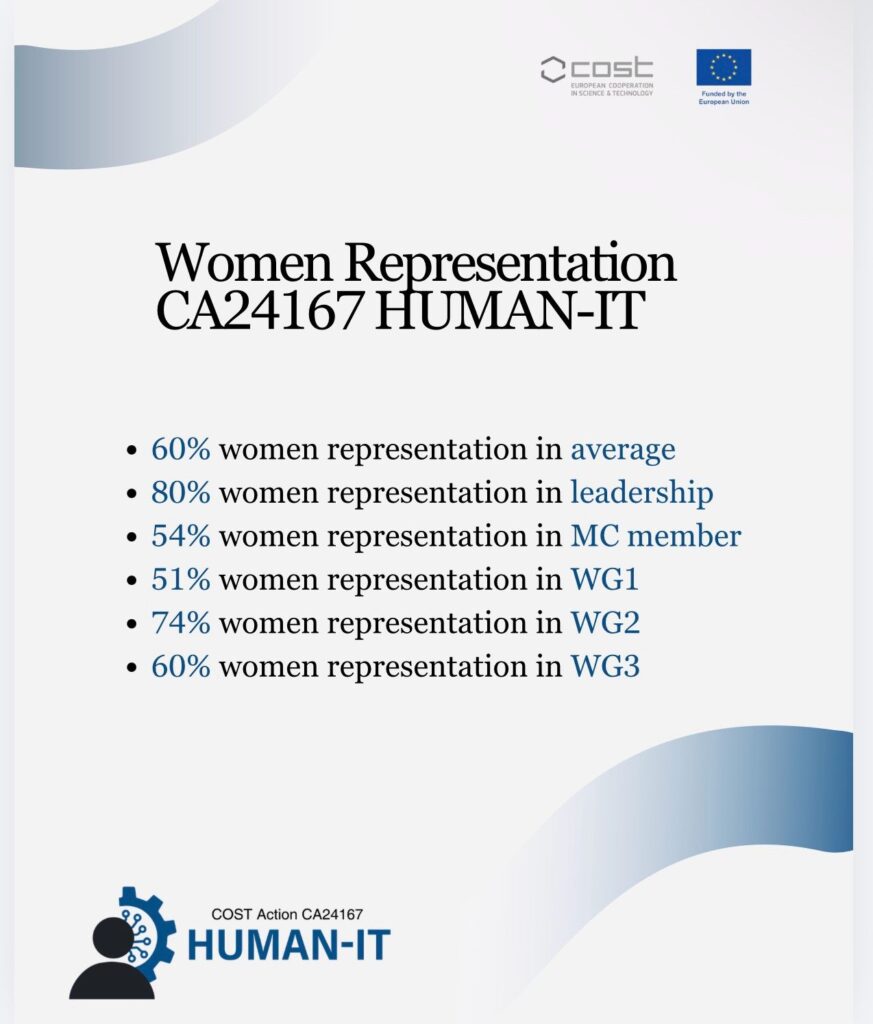
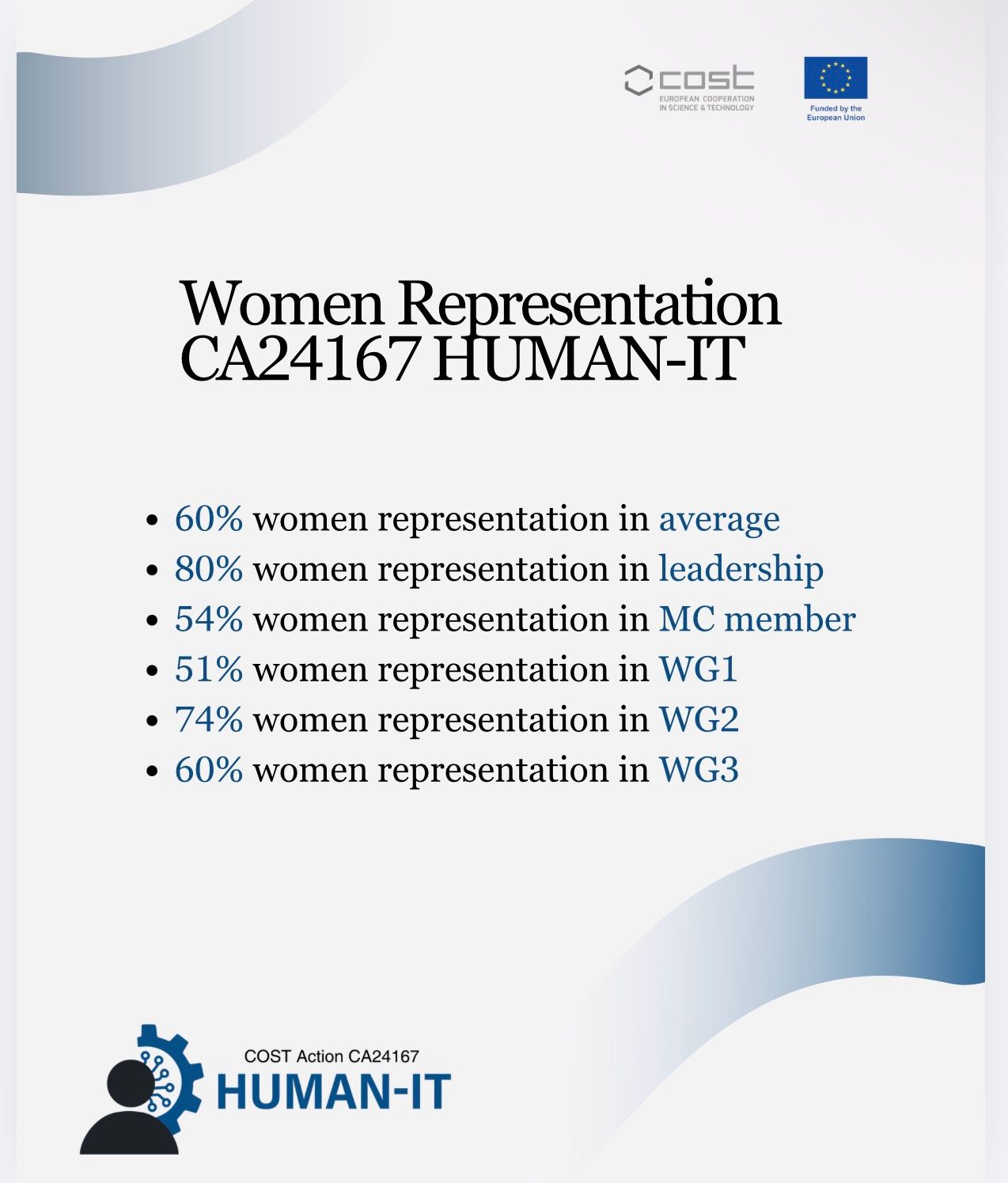
Diversity and inclusion are fundamental to HUMAN-IT’s collaborative approach. Women researchers hold a significant share of leadership roles across the Action, contributing their expertise to its scientific direction, governance, and working groups. Their leadership reflects the Action’s commitment to excellence, interdisciplinary collaboration, and equal opportunities in European research.
On this occasion, HUMAN-IT joins the global community in recognising the valuable contributions of women and girls in science and reaffirms its commitment to advancing research and innovation that support a more inclusive and human-centred future of work.
Citation
This publication is based upon work from COST Action CA24167 – HUMAN-IT (Disruptive Innovation and Exponential HRM: Crafting Next-Gen Employee Experience, Workplace, and Job Market), supported by COST (European Cooperation in Science and Technology).
Disclaimer
The information and views expressed in this publication are those of the author(s) and do not necessarily reflect the official opinion of COST (European Cooperation in Science and Technology). COST is not responsible for any use that may be made of the information contained herein.