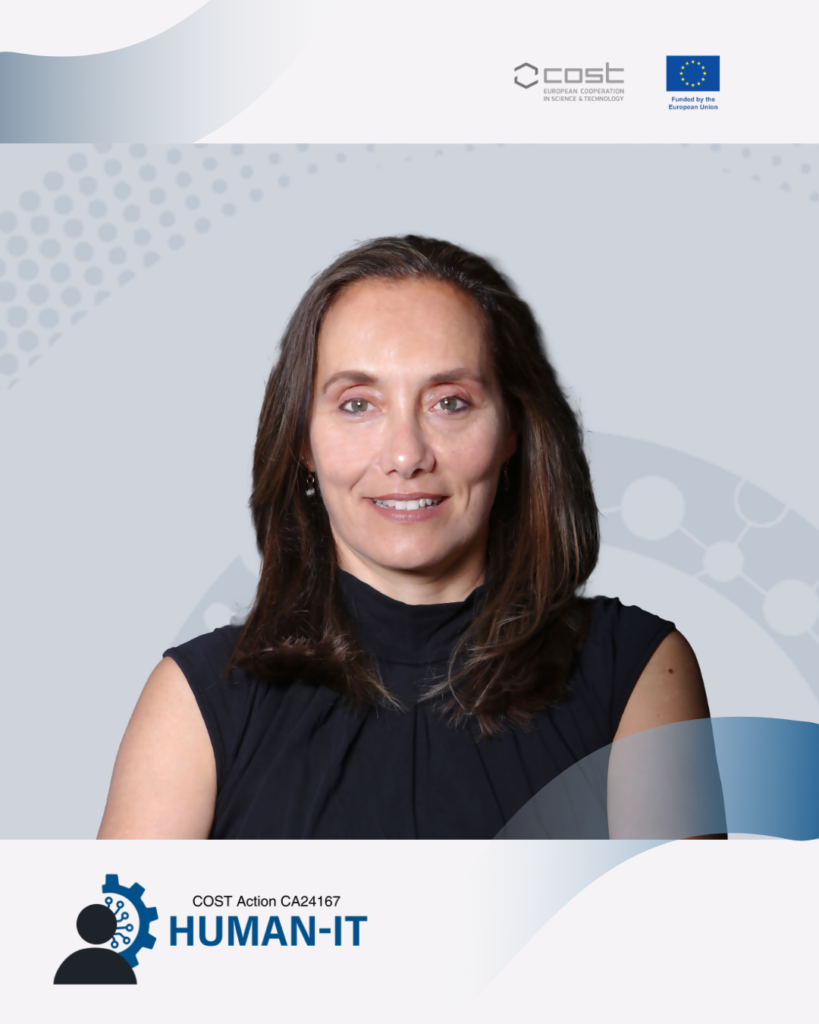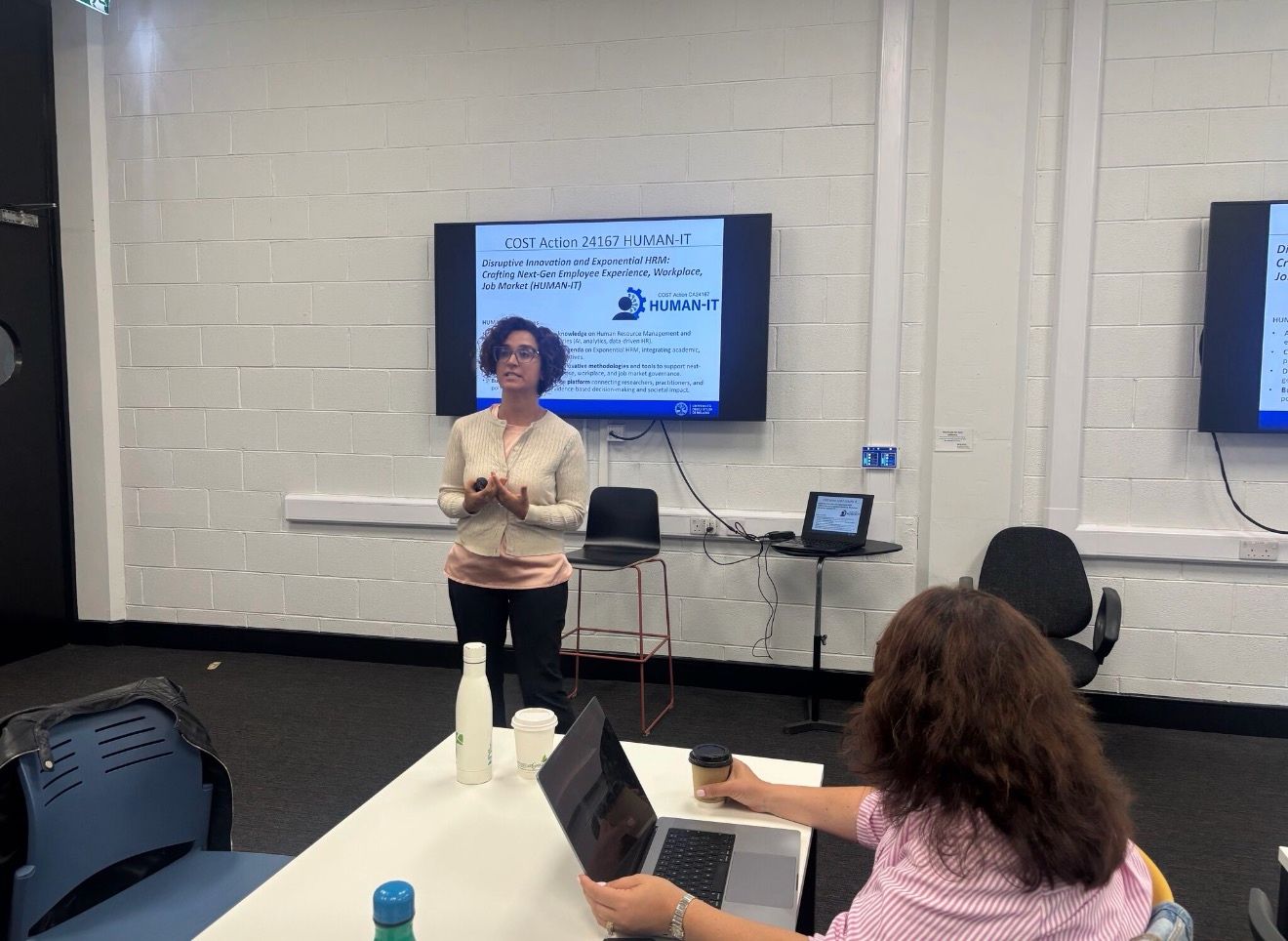
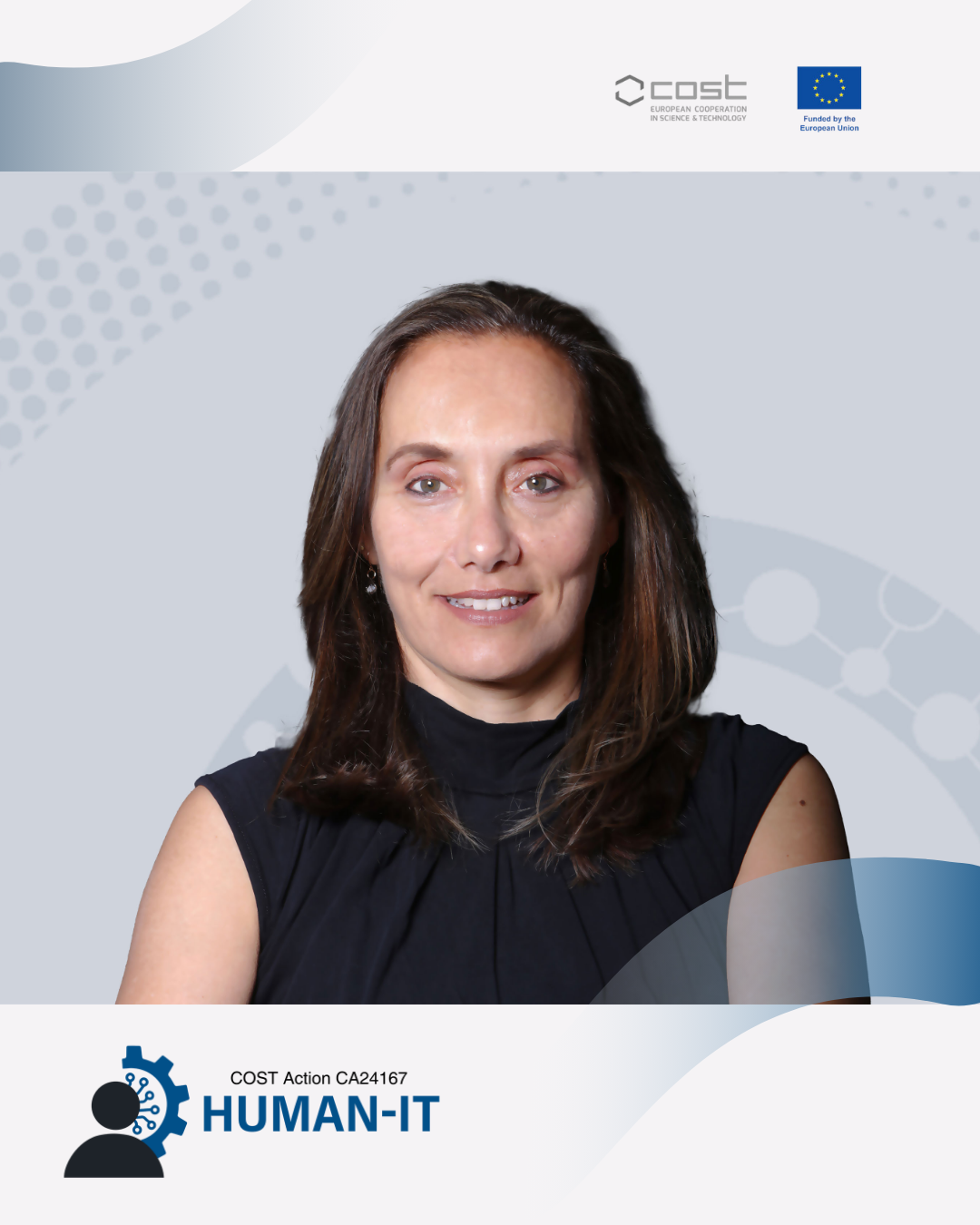
Prof. Hila Chalutz-Ben Gal serves as Leader of Working Group 1 – Digital HRM, Artificial Intelligence and HR Analytics within COST Action CA24167 – HUMAN-IT, leading the Action’s research on the transformative role of Artificial Intelligence, People Analytics, and digital technologies in shaping the future of Human Resource Management and work.
A Senior Lecturer in the Department of Industrial and Information Systems Engineering at Bar-Ilan University and Head of the People Analytics Lab, Prof. Chalutz-Ben Gal specialises in Human Resource Analytics, Artificial Intelligence, and data-driven decision-making. Her research explores how emerging technologies are transforming organisations, work systems, and labour markets, contributing to the development of more innovative, evidence-based, and human-centred approaches to Human Resource Management. Her work has been published in leading international journals, including Academy of Management Perspectives, Decision Support Systems, and Business Horizons, while her editorial and scientific leadership further supports the advancement of research in the field.
Within HUMAN-IT, Prof. Chalutz-Ben Gal coordinates the scientific activities of Working Group 1, fostering interdisciplinary collaboration and supporting the development of innovative research on Artificial Intelligence, People Analytics, and next-generation Human Resource Management across the European research community.
💬 A personal insight:
“I see HUMAN-IT as a platform to bridge people analytics, AI, and organizational research in order to understand and shape the future of work. It is a space where interdisciplinary collaboration helps transform data-driven insights into real impact for organizations and society.”
Citation
This publication is based upon work from COST Action CA24167 – HUMAN-IT (Disruptive Innovation and Exponential HRM: Crafting Next-Gen Employee Experience, Workplace, and Job Market), supported by COST (European Cooperation in Science and Technology).
Disclaimer
The information and views expressed in this publication are those of the author(s) and do not necessarily reflect the official opinion of COST (European Cooperation in Science and Technology). COST is not responsible for any use that may be made of the information contained herein.